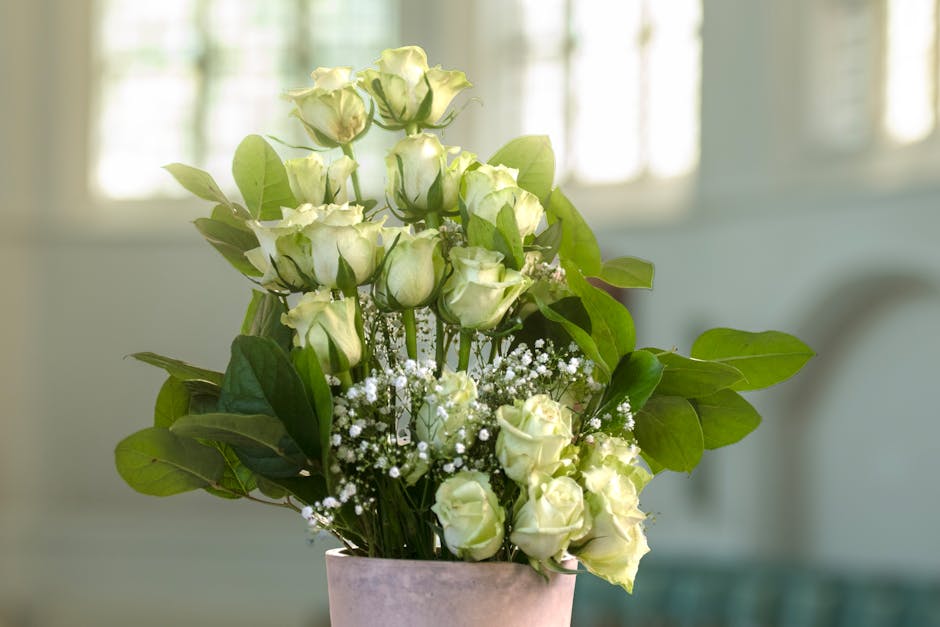
Great Bookham St Nicolas Church wedding flowers planning tips
Posted on 29/10/2026
Great Bookham St Nicolas Church Wedding Flowers Planning Tips
If you are planning flowers for a wedding at St Nicolas Church in Great Bookham, you already know the details matter. The bouquet has to look beautiful, the arrangements need to suit the church setting, and everything has to arrive on time without becoming one more thing to worry about on an already busy morning. These Great Bookham St Nicolas Church wedding flowers planning tips are designed to help you make smart choices, avoid common pitfalls, and pull the whole look together with less stress.
Truth be told, church weddings can be wonderfully simple or surprisingly layered. There may be a short aisle, a chancel area to frame, pew ends to consider, and weather that decides to be a bit British on the day. The good news? With a clear plan, you can make the flowers feel effortless, elegant, and very you. Let's map out what works, what doesn't, and how to plan in a way that actually fits the venue and the day.
Contents
- Why Great Bookham St Nicolas Church wedding flowers planning tips Matters
- How Great Bookham St Nicolas Church wedding flowers planning tips Works
- Key Benefits and Practical Advantages
- Who This Is For and When It Makes Sense
- Step-by-Step Guidance
- Expert Tips for Better Results
- Common Mistakes to Avoid
- Tools, Resources and Recommendations
- Law, Compliance, Standards, or Best Practice
- Options, Methods, or Comparison Table
- Case Study or Real-World Example
- Practical Checklist
- Conclusion
- Frequently Asked Questions
Why Great Bookham St Nicolas Church wedding flowers planning tips Matters
Wedding flowers are not just decoration. At St Nicolas Church, they help shape the atmosphere the moment people step inside. A well-planned floral scheme can soften the stone, brighten the aisle, frame the couple during the ceremony, and tie the church look to the reception later in the day. A poor one can feel oversized, underwhelming, or awkwardly placed. And yes, that difference is bigger than people often expect.
Church venues also come with practical realities. There may be restrictions on fixing items to pews, concerns around loose petals, or rules about where arrangements can be placed. Even if the ceremony itself is relatively straightforward, the logistics are usually more involved than they first seem. That is why planning matters so much. You are not only choosing flowers; you are solving a venue puzzle.
There is another reason this topic deserves careful thought: your wedding flowers are part of the photographs you will live with for years. The bouquet in your hands, the buttonholes, the arrangement near the altar, the little detail at the front pew - these things show up in pictures again and again. Get the plan right and the whole day feels more polished. Miss a few details and you may only notice later, when the confetti has settled and the memory card is already full.
Practical takeaway: for a church wedding, flowers should do three jobs at once - suit the venue, suit the schedule, and suit the photos. If all three line up, you are in a very good place.
How Great Bookham St Nicolas Church wedding flowers planning tips Works
The planning process works best when you think in layers rather than in one big floral shopping trip. Start with the ceremony itself, then build outward. What will the couple carry? What will guests see first? Where do you want focus in the church? Which pieces need to travel, and which can be installed on the day? Once those questions are clear, the rest gets easier.
A useful way to approach it is to break the flowers into roles:
- Bridal flowers - the bouquet and any personal florals the couple will carry or wear.
- Attendant flowers - bridesmaid bouquets, buttonholes, corsages, or other wedding party pieces.
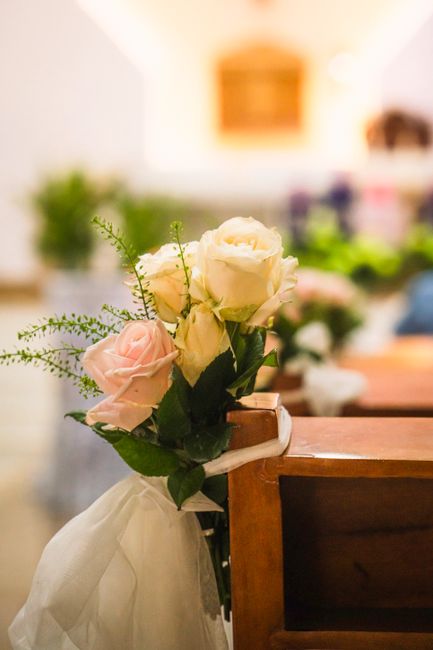
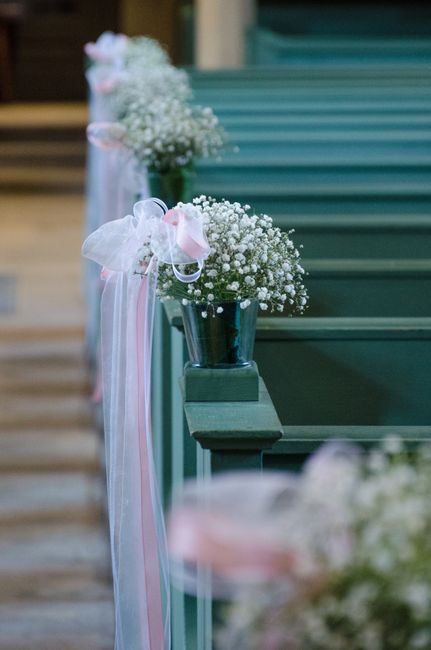
- Ceremony flowers - altar arrangements, pedestal designs, pew ends, aisle flowers, or entrance pieces.
- Reception carry-over - items that can be moved and reused later so nothing feels wasteful.
At a church like St Nicolas, scale matters. A generous floral arrangement can look lovely near a wide chancel or at the end of an aisle, but it may overwhelm a smaller side area. On the other hand, tiny arrangements can disappear in a lofty interior. The trick is to use the building as your guide. Stone, light, wood, pews, and window placement all influence how flowers read in the space.
Seasonality also plays a big role. Spring wedding flowers have a different feel from late-summer blooms, and a winter ceremony may need more structure, greenery, or warmer tones to keep the space feeling alive. You do not have to match the season exactly, but it helps to work with it rather than against it. To be fair, flowers always behave better when you stop trying to fight the calendar.
For couples wanting a coordinated look across the bridal party, it can help to begin with a central design idea and then extend it through the rest of the wedding florals. A collection such as the I Cherish You wedding collection or one of the more classic wedding flower ranges can give you a starting point for style, colour, and texture without making every item feel identical.
Key Benefits and Practical Advantages
Good wedding flower planning does more than make things pretty. It saves time, reduces stress, and helps the ceremony feel cohesive from start to finish. That may sound obvious, but in practice it means fewer last-minute decisions, fewer awkward gaps in the venue, and fewer "we forgot about that" moments. Which, let's face it, nobody wants on a wedding morning.
Here are the main benefits:
- Better visual balance - the church setting feels intentional rather than scattered.
- Cleaner logistics - you know what is arriving, when, and where it is going.
- Budget control - you can prioritise the pieces that matter most to you.
- Stronger photos - the bouquet, ceremony area, and group shots all feel connected.
- Less waste - arrangements can often be repurposed after the ceremony.
Another practical advantage is that a clear flower plan helps everyone else do their job. The person transporting the arrangements knows what they are carrying. The church helper or florist knows where things go. The wedding party knows what to hold, wear, or hand over. It sounds small, but these little layers prevent confusion at the exact moment you most need calm.
There is also a comfort factor. People tend to feel more settled in a space that looks cared for. Fresh flowers bring a sense of occasion, and in a church setting that can make the whole ceremony feel warmer without trying too hard. No over-the-top display required. Just a thoughtful one.
Who This Is For and When It Makes Sense
This guidance is for couples marrying at St Nicolas Church, of course, but also for anyone helping them: parents, ushers, bridesmaids, a planner, or the person who has somehow become the "flower person" by default. You know how it goes. One minute you are just offering to help, and the next minute you are comparing ribbon widths and delivery windows.
It makes sense to use a proper flower plan if any of the following apply:
- You want the church ceremony to feel polished and coordinated.
- You have more than one floral element to manage.
- You are working with a budget and need to prioritise.
- You want the flowers to continue into the reception.
- You are trying to match a specific colour palette or seasonal look.
This also matters if the ceremony is in a traditional church where access times may be limited. The tighter the setup window, the more important it is to know exactly what is happening. A florist with wedding experience can be a huge help here, especially if you want bouquets, buttonholes, and ceremony arrangements to arrive in the correct sequence.
If your wedding is more intimate, you may not need a lot of ceremony florals. In fact, a smaller design can work beautifully when the church already provides enough character. A few focal arrangements, a well-made bouquet, and clean buttonholes may be all that is needed. Simple is not lesser. Sometimes it is smarter.
Step-by-Step Guidance
Here is a practical way to plan wedding flowers for St Nicolas Church without going in circles.
-
Start with the ceremony vision.
Ask yourself what you want guests to feel when they walk in. Soft and romantic? Fresh and bright? Classic and traditional? This single decision guides everything else.
-
Check the venue requirements early.
Confirm what can be attached to pews, where arrangements can stand, and whether petals or candles have any restrictions. Churches vary, and assumptions are risky here.
-
Choose your key floral pieces first.
In most weddings, the bouquet, buttonholes, and one or two ceremony arrangements are the priority. Once those are defined, add extras only if the budget and layout support them.
-
Match scale to the building.
Large interiors can carry taller arrangements and broader shapes. More compact spaces often benefit from tighter, refined designs that do not clutter the view.
-
Decide what can be reused.
Many couples move altar flowers to the reception or use bridesmaid bouquets as table decor later on. It is one of the easiest ways to stretch value without compromising style.
-
Set a delivery and setup plan.
Agree in advance on arrival times, who is receiving the flowers, and how they are stored if the ceremony starts later. A warm car boot in summer is not where a bouquet wants to live. Not ideal, really.
-
Do a final numbers check.
Confirm bouquets, bridesmaid bouquets, buttonholes, corsages, and ceremony arrangements against the guest list and wedding party list. Last-minute additions are common, so leave a little breathing room.
As you work through the steps, keep a simple note of who is responsible for each floral item. A basic shared document is enough. Fancy systems are lovely, but a clear list beats a pretty spreadsheet every time.
Expert Tips for Better Results
If you want the flowers to feel truly suited to St Nicolas Church, a few details make a noticeable difference. These are the things that often separate a decent result from a really elegant one.
1. Let the venue lead the style
Churches usually have a natural dignity about them. That means the flowers do not need to shout. Consider graceful shapes, quality foliage, and a palette that complements the stone and wood rather than competing with it. White, cream, blush, soft green, and muted seasonal tones tend to sit well, but strong colour can also work if it is handled carefully.
2. Think in photographs, not just in person
A bouquet can look perfectly balanced in your hand and still vanish in wide-angle ceremony shots. Likewise, a small arrangement might look modest up close but beautifully understated in the room. Stand back mentally. Imagine the aisle from the back row, not just from the florist's workbench.
3. Keep one focal point in mind
Too many competing floral features can make a church look busy. Choose one or two visual anchors: perhaps the bouquet and the front-of-church arrangement, or the altar flowers and the aisle-end pieces. That gives the eye somewhere to rest.
4. Use texture as well as colour
Different blooms and foliage shapes create depth without needing more flowers. Roses, lisianthus, orchids, chrysanthemums, and seasonal greenery all behave differently in the space. A mixed texture arrangement often feels more expensive, even when it is not necessarily larger.
5. Choose practical stems for carried flowers
For bouquets and buttonholes, comfort matters. A bouquet that is too heavy becomes noticeable very quickly. Buttonholes should sit neatly, not flop around like they have had a long day. Little detail, big difference.
If you want a softer ceremony look, something like a white bridal bouquet paired with a simple white rose buttonhole can be wonderfully restrained. If you prefer a more romantic mix, a design such as Pure Romance can bring in more warmth and softness without becoming overblown.
Common Mistakes to Avoid
Most flower problems at weddings are not dramatic. They are usually practical, and that is exactly why they are easy to miss. A few mistakes show up again and again.
- Leaving venue checks too late. You may end up with a design that does not suit the church layout or setup rules.
- Ordering too many small items. A lot of tiny arrangements can cost more effort than impact.
- Ignoring transport. Flowers need protection from heat, movement, and delays. A good design can still be ruined by a bad journey.
- Forgetting the transition to the reception. If arrangements are being reused, plan who moves them and when.
- Overmatching everything. The wedding does not need every flower item to be identical. In fact, that can look a bit flat.
- Not checking stems and wearability. Some flowers and styles are lovely but awkward to carry or pin.
One thing couples sometimes underestimate is timing. Flowers are living things, which means they do not wait politely while everyone else finishes getting ready. If your ceremony is mid-afternoon, delivery and holding time matter. If your morning starts early, the bouquet may need extra care before it is ready for photographs. Easy to overlook. Very easy.
Another common slip is choosing flowers purely because they look beautiful online. That is understandable, but church light, season, and venue proportions all affect the end result. Always think in context, not just in isolation.
Tools, Resources and Recommendations
You do not need a complicated toolkit to plan wedding flowers well. A few simple resources make the process much smoother.
- A venue notes page - keep details about access, restrictions, and setup timing in one place.
- A colour reference - even a phone photo can help keep everyone aligned on tone.
- A final item list - bouquet, bridesmaid bouquets, buttonholes, ceremony pieces, and any extras.
- A delivery contact plan - name, phone number, and who is meeting the flowers.
- Flower care basics - water, shade, and cool storage before the ceremony if needed.
For couples choosing ready-made wedding pieces, it helps to browse collections rather than individual products first. That way you can see whether the bouquet, bridesmaid florals, and buttonholes belong together visually. You might also want to explore bridal bouquets, bridesmaid bouquets, and buttonholes as part of the same planning session.
For ceremony decor, consider whether you need one statement arrangement or several coordinated items. A pair of wedding table arrangements can sometimes be repurposed effectively, especially if the reception styling is simple. And if you want something classic, local wedding flowers in Great Bookham can be a sensible starting point for keeping delivery and timing straightforward.
One more practical tip: ask for flower-care guidance if your bouquet or arrangements are arriving before the ceremony. Knowing how to keep stems cool, fresh, and upright makes a genuine difference. It is not glamorous, but it matters.
Law, Compliance, Standards, or Best Practice
For wedding flowers, the main issue is usually not law in the strict sense but venue and safety best practice. Churches often have their own expectations about setup, decoration, and what can be placed where. Those expectations should be respected, and they are worth confirming early rather than assuming.
Common best-practice points include:
- Do not block aisles, doors, or access routes with floral stands or large items.
- Check whether the church allows petals, tape, pins, or adhesives on surfaces.
- Make sure any candles or heat sources, if used at all, are handled in line with the venue's rules.
- Keep arrangements stable and suitable for an indoor setting.
- Protect floors from water, soil, or dripping stems.
If you are using a florist, it is reasonable to ask how they handle delivery, setup, and return collection. Professional practice should feel organised, not vague. And if the church has a wedding coordinator or contact person, involve them early. A quick conversation now can save three panicked messages later. That's the boring advice, but it's the good advice too.
From a customer-care perspective, also check the shop's payment, delivery, returns, and sustainability information before you order. Those details tell you a lot about how the business works day to day. If you want to understand the broader service approach, pages such as delivery information, payment details, returns and refund policy, and sustainability can help you feel more confident before you place an order.
Options, Methods, or Comparison Table
Not every wedding needs a fully dressed church. Sometimes a few well-chosen pieces are enough. Here is a simple comparison to help you decide what fits your day best.
| Approach | Best for | Advantages | Things to watch |
|---|---|---|---|
| Minimal ceremony flowers | Smaller weddings, tighter budgets, already beautiful church spaces | Simple, elegant, easier to manage | Can feel too sparse if the venue is large |
| Classic bridal-led package | Couples prioritising bouquet, buttonholes, and a few ceremony pieces | Balanced and practical, strong value | Needs careful matching so it does not look disconnected |
| Full ceremony styling | Larger weddings or couples wanting a highly decorative look | Big visual impact and very photogenic | More logistics, more cost, more setup coordination |
| Reuse-and-move approach | Couples wanting value and less waste | Efficient, flexible, makes the day feel joined up | Needs someone assigned to move the flowers after the ceremony |
In many Great Bookham church weddings, the classic bridal-led package is the sweet spot. It gives you enough presence for the ceremony without making the day feel overproduced. That said, if your guests are arriving into a quiet church at dusk, a fuller floral welcome may be exactly right. There is no one perfect answer. There is only the right answer for your wedding.
Case Study or Real-World Example
Here is a realistic example based on the kind of planning couples often need.
A couple planning a late-spring wedding at St Nicolas Church wanted a soft, romantic look without turning the ceremony into a flower show. They chose a medium-sized bridal bouquet with pale blooms, matching bridesmaid bouquets in a simpler design, and buttonholes for the groom and groomsmen. For the church itself, they used two focal arrangements near the front rather than dressing every pew.
Why did that work? Because the plan respected the space. The church already had character, so the flowers were there to enhance it, not compete with it. The bouquet was carried comfortably, the buttonholes stayed neat, and the front-of-church arrangements photographed well from both the aisle and the pews. Afterwards, the larger pieces were moved to the reception, which gave the tables and welcome area a connected look without buying everything twice.
That is the kind of setup many couples quietly prefer. No fuss. No overthinking. Just a clean plan that holds together on the day. And honestly, those are often the weddings people remember as being effortlessly lovely.
Practical Checklist
Use this checklist as your final pre-wedding flower check. It is the bit that saves headaches.
- Confirm the church venue rules on flowers, petals, attachments, and setup access.
- Finalise the bouquet, bridesmaid bouquets, buttonholes, and any corsages.
- Choose the ceremony arrangements and decide where each piece will go.
- Check whether any flowers will be moved to the reception after the ceremony.
- Confirm delivery time, delivery address, and the contact person receiving the flowers.
- Make sure transport protection is arranged for warm, wet, or windy weather.
- Review colours against the dress, suit, and church interior.
- Ask how the flowers should be stored before the ceremony.
- Assign someone to handle last-mile movement of flowers if needed.
- Keep a simple written list of every floral item in the order.
Expert summary: the best Great Bookham St Nicolas Church wedding flower plans are usually the ones that respect the venue, keep the ceremony clear, and avoid trying to do everything at once. Focus on the pieces that matter most, plan the timing properly, and let the church setting do some of the visual work for you. That is where the elegance comes from.
Conclusion
Planning flowers for a wedding at St Nicolas Church in Great Bookham does not have to feel complicated. Once you understand the venue, think about the ceremony flow, and choose a few meaningful floral priorities, the rest starts to fall into place. The bouquet, buttonholes, and ceremony arrangements should feel connected, practical, and in keeping with the church itself. Get those fundamentals right, and the day will feel calm in all the best ways.
Whether you want something soft and classic, seasonal and romantic, or simple and refined, the best results usually come from steady planning rather than last-minute decisions. Keep the look grounded in the space, and do not be afraid to leave a little breathing room in the design. Sometimes the flowers do their best work when they are given space to shine. Lovely, really.
Get a free quote today and see how much you can save.
And if you are still deciding, that is completely fine. A thoughtful flower plan grows out of a few good choices, not a perfect one. Start there, and you are already well on your way.
Frequently Asked Questions
What flowers work best for a church wedding in Great Bookham?
Classic choices such as roses, lisianthus, orchids, chrysanthemums, and seasonal greenery usually work well because they photograph beautifully and suit traditional church interiors. The best choice depends on your colour palette, budget, and the size of the church space.
How far in advance should I plan wedding flowers for St Nicolas Church?
It is sensible to start planning several months ahead, especially if you want a specific style or need several floral items. The earlier you confirm your bouquet, buttonholes, and ceremony arrangements, the easier it is to coordinate delivery and venue access.
Do I need flowers for the whole church?
Not necessarily. Many couples only need a bouquet, buttonholes, and one or two focal ceremony arrangements. If the church already has a lot of character, a simpler plan can look more elegant than covering every possible surface.
Can wedding flowers be reused at the reception?
Yes, often they can. Ceremony arrangements are commonly moved after the service and used on gift tables, registries, or reception tables. Just make sure someone is assigned to move them and that the timing works with your day plan.
What should I ask the church before ordering flowers?
Ask about access times, where flowers may be placed, whether pew ends can be decorated, and if there are restrictions on petals, tape, or anything that could affect the building. It is much easier to plan once those details are clear.
How do I choose flowers that suit the church interior?
Look at the building's colours, textures, and light. A stone interior may suit softer tones and natural greenery, while a brighter space can handle bolder colour. If in doubt, aim for a balanced design that does not overpower the setting.
What is the difference between a bridal bouquet and ceremony flowers?
The bridal bouquet is carried by the bride or partner and is usually the most personal floral piece. Ceremony flowers are the arrangements placed in the church to frame the aisle, altar, or entrance and support the overall atmosphere.
How do I keep wedding flowers fresh before the ceremony?
Keep them cool, out of direct sun, and in water where appropriate. Delivery timing matters too. If flowers arrive early, ask how they should be stored so they remain fresh and presentable right up to the ceremony.
Are buttonholes necessary for a church wedding?
They are not strictly necessary, but they do help the wedding party look coordinated. Many couples choose them for the groom, best man, fathers, or close family members because they are neat, traditional, and photograph well.
What if my budget is limited?
Prioritise the bouquet and a few key ceremony pieces, then keep the rest simple. A thoughtful colour palette and good flower choice can look beautiful without a large number of arrangements. Sometimes less really is more.
Can I choose modern flowers for a traditional church?
Absolutely. Modern flowers or more contemporary colour palettes can work well if the designs are balanced and in proportion to the space. The key is to make sure the style feels intentional rather than mismatched.
What is the biggest mistake couples make with church wedding flowers?
The biggest mistake is usually under-planning the practical side. Beautiful flowers still need delivery timing, venue compatibility, transport protection, and a clear setup plan. Once those pieces are in place, the creative side becomes much easier.